What Is an Energy Storage System?
An Energy Storage System (ESS) stores energy and releases it when needed. In the power industry it usually refers to technologies that store electricity — the most common modern solution being a Battery Energy Storage System (BESS).
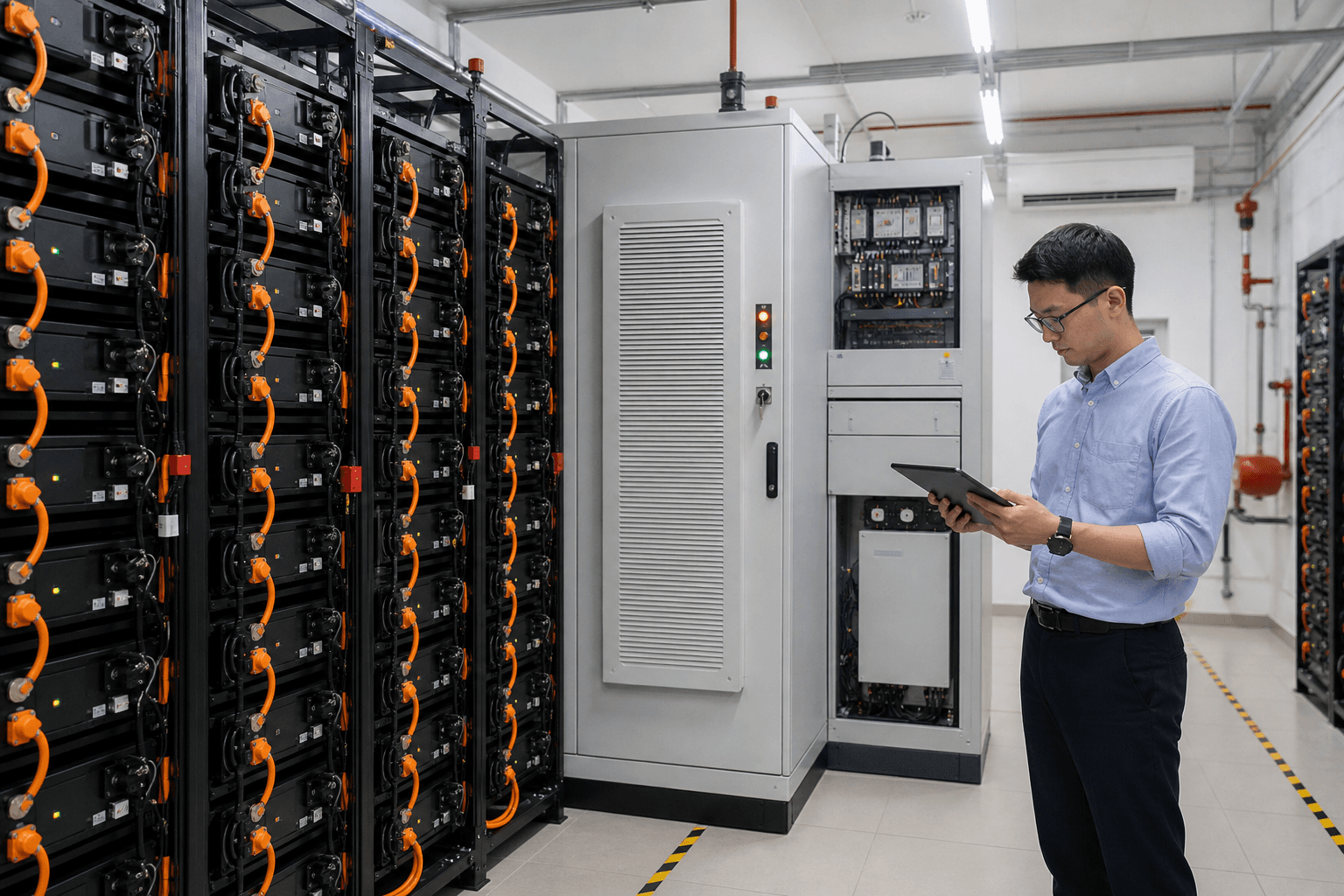
Why energy storage is needed
Electricity demand is not constant, and renewable sources such as solar are variable. This creates a mismatch between when energy is generated and when it is needed. Energy storage helps solve this — storing electricity during low demand, high solar generation or lower cost, then discharging during peak demand, low solar or when extra power is required.
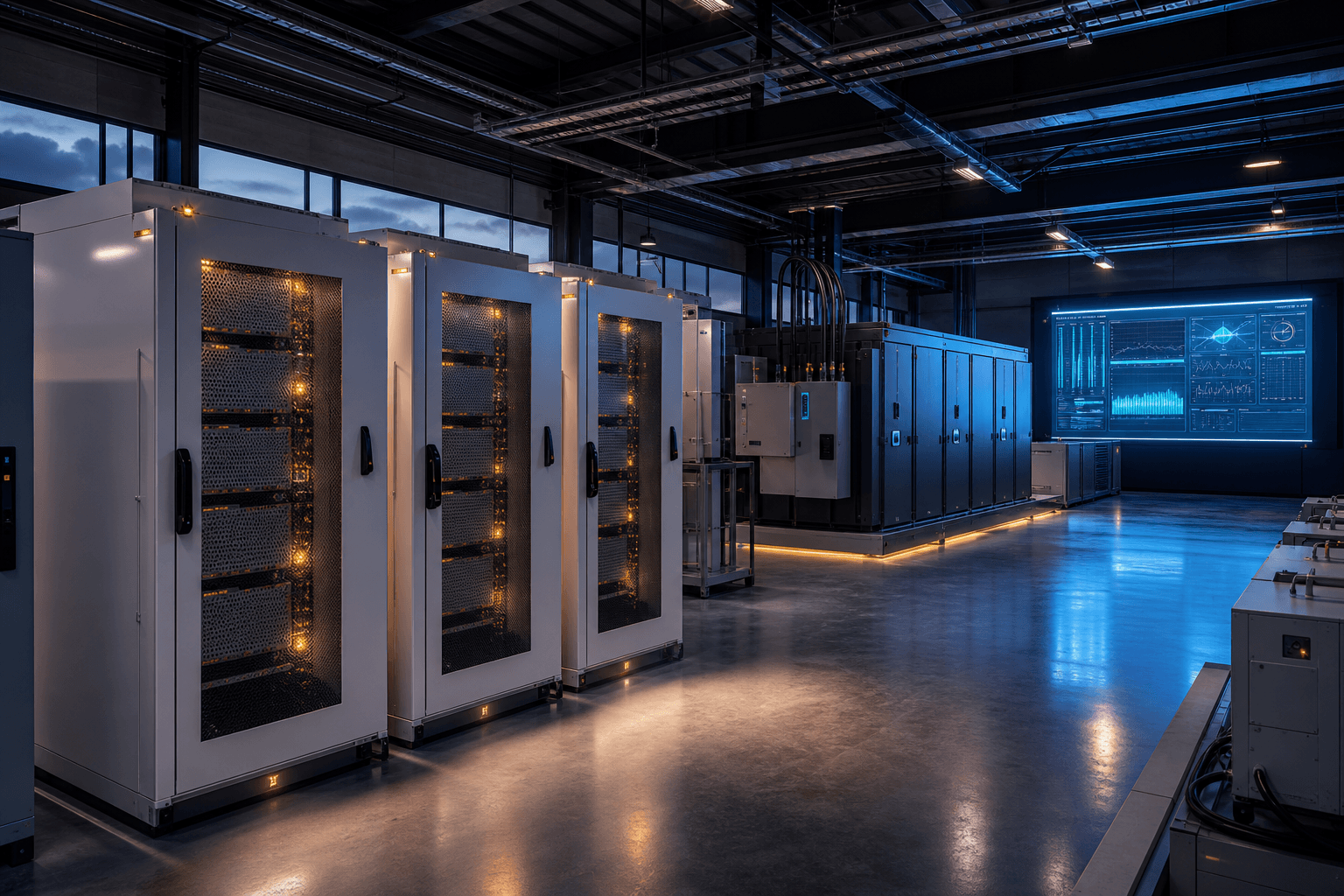
Types of energy storage systems
There are several energy-storage technologies. Common examples include:
- Battery energy storage
- Pumped hydro storage
- Thermal energy storage
- Compressed air energy storage
- Hydrogen storage
- Flywheel storage
What is the difference between ESS and BESS?
ESS is the broader term — any type of energy storage system. BESS is a specific type of ESS that uses batteries to store electricity. In many commercial discussions the terms are used interchangeably, but technically BESS is one category under ESS. For commercial, industrial and utility-scale applications, battery-based ESS is one of the most practical and scalable options.
How an energy storage system works
For a battery-based ESS, the process is straightforward:
- Electricity enters the system
- The battery stores the electricity
- The PCS converts electricity between AC and DC
- The EMS controls charging and discharging
- The system releases power when required
- Cloud monitoring tracks performance and faults
ESS for commercial, solar and utility-scale use
For businesses, ESS can support maximum demand peak shaving, solar self-consumption, backup power, energy cost optimisation, power quality and load shifting. For solar developers, it stores excess solar energy, reduces intermittency and improves dispatch. At utility scale, it supports energy shifting, grid stability, frequency response and renewable smoothing — becoming a long-term energy infrastructure asset.
Frequently Asked Questions
ESS stands for Energy Storage System.
BESS is a type of ESS. ESS is the broader term, while BESS specifically refers to battery energy storage.
Businesses use ESS to reduce demand charges, improve energy control, support solar and manage power more efficiently.
Yes. ESS can be used with solar farms to store excess energy and improve power dispatch.
Related reading
Keep exploring — more from the Solunar Knowledge Centre:
Have a Solar + BESS project to discuss?
Solunar supports EPCC companies, developers and asset owners with technology, integration and O&M.