What Is BESS and Why It Matters for Malaysia’s Energy Future
BESS stands for Battery Energy Storage System — a system that stores electricity in batteries and releases it when needed, working like an energy bank for buildings, factories, solar plants and the grid.
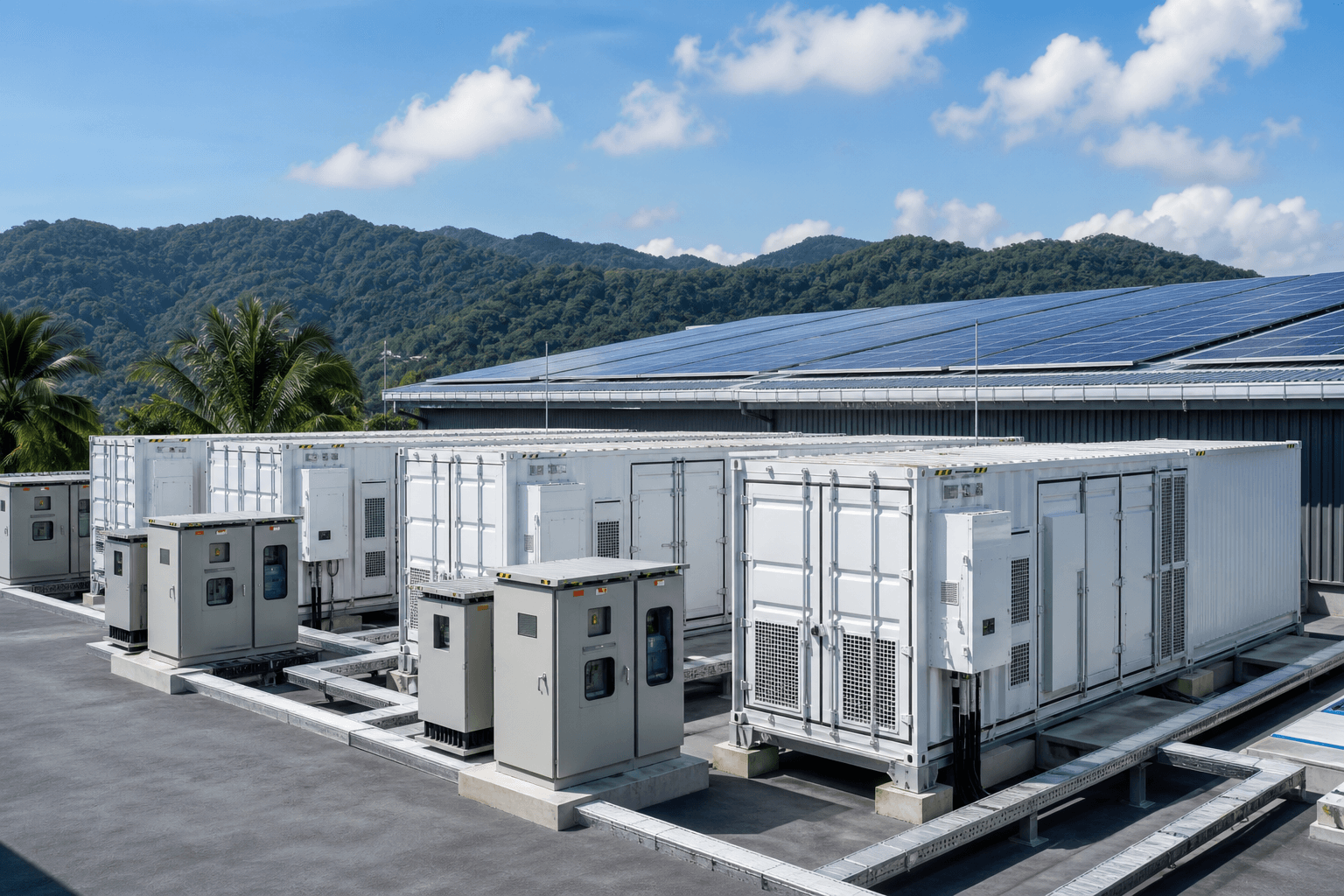
What is BESS?
BESS stands for Battery Energy Storage System. It stores electricity in batteries and releases the stored energy when needed. For businesses, developers and power-plant owners, it is becoming one of the most important technologies in the clean-energy transition because it allows electricity to be stored, controlled and used more intelligently.
In simple terms, a BESS works like an energy bank. When electricity is available it stores it; when electricity is expensive, insufficient or unstable, it discharges power to support the building, factory, solar plant or grid. For Malaysia, this matters because the country is moving towards higher renewable energy adoption, more solar generation and a stronger need for grid stability.
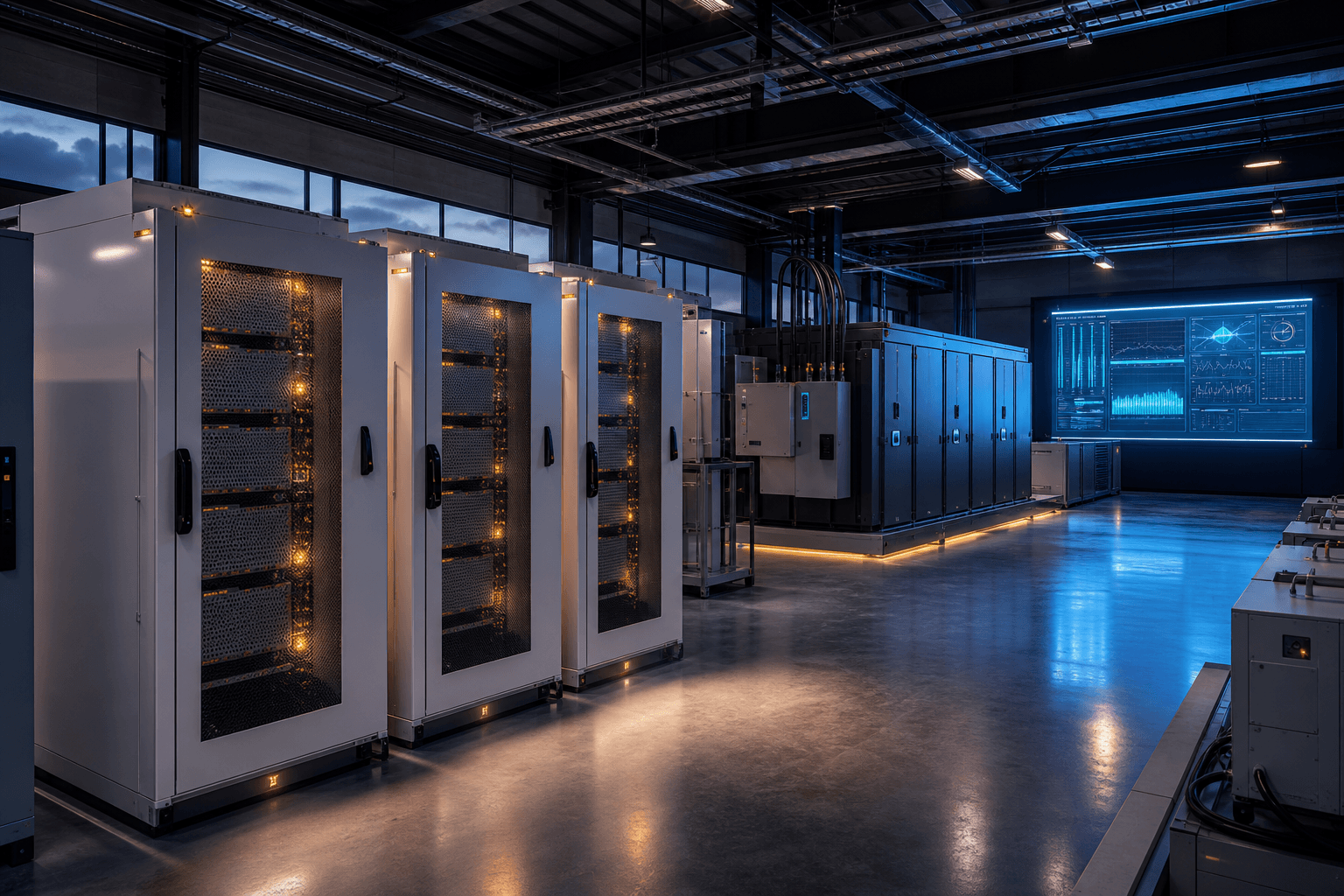
Why BESS is important in Malaysia
Malaysia has strong solar potential, and many factories, commercial buildings and developers are already investing in solar PV. But solar has one limitation: it only generates electricity when sunlight is available.
With battery storage, excess solar energy can be stored instead of wasted, then used later during peak demand, evening hours or when grid supply is limited. For commercial and industrial users, BESS can reduce electricity costs through maximum demand peak shaving. For solar developers, it can improve project bankability, increase energy flexibility and support large-scale solar integration.
How BESS supports commercial and industrial businesses
For factories, warehouses, shopping malls, data centres and high-load facilities, energy cost is a major operating expense. BESS is no longer just a future technology — it is becoming a practical energy-management tool that can help businesses:
- Reduce maximum demand charges
- Store cheaper or excess electricity
- Support solar self-consumption
- Improve power reliability
- Reduce dependency on grid upgrades
- Provide backup power in selected situations
- Move towards net zero
How BESS supports solar projects
Solar production changes through the day — high during sunny hours and low during cloudy periods or at night. A BESS stores excess solar generation and releases it when required, improving energy utilisation and making solar power more flexible.
For large-scale solar plants, BESS can also support grid stability, reduce intermittency and improve dispatchability — especially relevant for projects involving LSS, CRESS, corporate PPAs and future renewable energy infrastructure in Malaysia.
Why BESS matters for the future of energy
The future energy system will not only be about generating electricity. It will be about controlling, storing and optimising energy. BESS connects solar generation, grid management, business energy savings and digital energy control.
A well-designed BESS solution is not just a battery container. It includes battery modules, power conversion systems, energy-management software, cloud monitoring, protection systems, safety controls and long-term O&M — which is why choosing the right BESS integrator is important.
Frequently Asked Questions
BESS stands for Battery Energy Storage System. It stores electricity in batteries and releases it when needed.
No. BESS can be used with solar, grid electricity, commercial buildings, factories, data centres and utility-scale energy projects.
BESS can reduce maximum demand charges, increase solar self-consumption and help businesses manage electricity usage more efficiently.
Yes. BESS is highly relevant for Malaysia because of the growth of solar power, commercial energy demand and the need for better energy flexibility.
Related reading
Keep exploring — more from the Solunar Knowledge Centre:
Have a Solar + BESS project to discuss?
Solunar supports EPCC companies, developers and asset owners with technology, integration and O&M.