How BESS Improves Grid Stability
A BESS acts like a fast-response energy buffer — absorbing electricity when there is excess supply and releasing it when the grid needs support — which helps maintain grid stability as renewable energy increases.
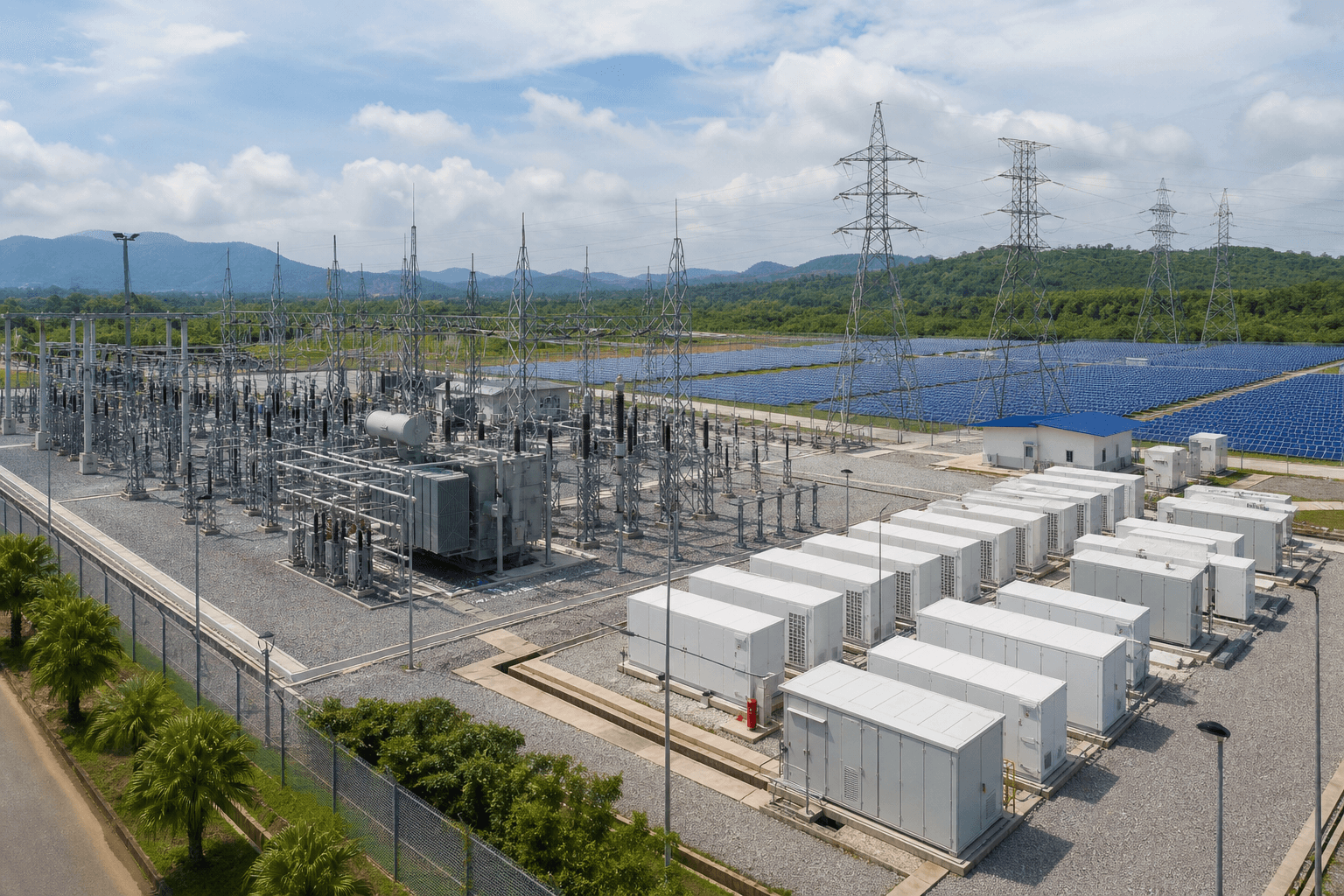
Why grid stability matters
The grid must constantly balance supply and demand. If they are not balanced, the system can experience frequency fluctuations, voltage issues or reliability problems. Traditional plants provide controllable supply, but solar depends on sunlight — when clouds pass, output can drop quickly; when output is very high, the grid must manage excess generation. As more solar connects, the grid needs technologies that respond quickly.
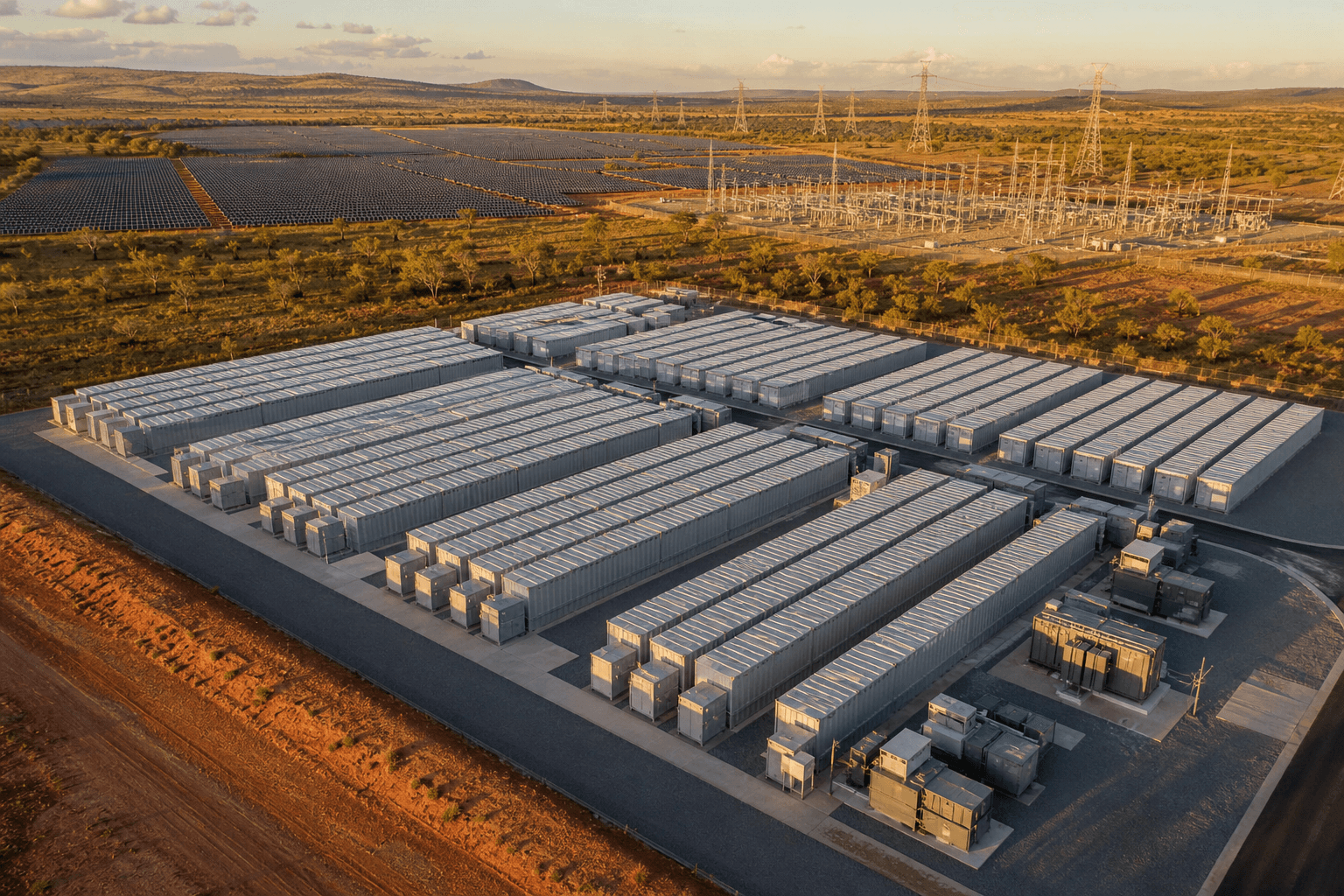
What BESS does for the grid
BESS improves grid stability in several ways:
- Frequency regulation — responding quickly to frequency changes
- Voltage support in areas with high renewable penetration
- Renewable energy smoothing of sudden solar changes
- Peak load support by discharging during high demand
- Reserve and backup support for fast-response capacity
- Curtailment reduction by storing excess generation
Why BESS is faster than conventional solutions
Battery systems can respond in milliseconds to grid signals. Unlike conventional generation, BESS does not need to burn fuel or ramp up mechanically — it charges and discharges based on control signals from the EMS and grid interface. Newer utility-scale projects may use grid-forming inverter technology for stronger grid support; a 100MW/400MWh Malaysian project has been reported to use grid-forming inverters to support stability on the East Coast of Peninsular Malaysia.
Why developers should care
Grid stability is not only a utility issue. Projects that support the grid may be more attractive for grid-connection approval, utility partnerships, government programmes, corporate offtakers, project financing and long-term infrastructure investors. As Malaysia’s renewable market matures, developers with storage capability will be better positioned.
Frequently Asked Questions
It manages frequency, supports voltage, smooths renewable output, supports peak load and provides fast-response reserve capacity.
It can respond in milliseconds via the EMS and grid interface, without burning fuel or ramping mechanically.
A BESS using grid-forming inverter technology that can provide stronger grid support than basic grid-following systems.
Related reading
Keep exploring — more from the Solunar Knowledge Centre:
Have a Solar + BESS project to discuss?
Solunar supports EPCC companies, developers and asset owners with technology, integration and O&M.