Why Solar Alone May Not Be Enough for Factories
Solar is a strong first step for factories, but complex load patterns, demand spikes, evening production and expansion needs mean solar alone may not fully solve a factory’s energy challenges — which is why many add BESS.
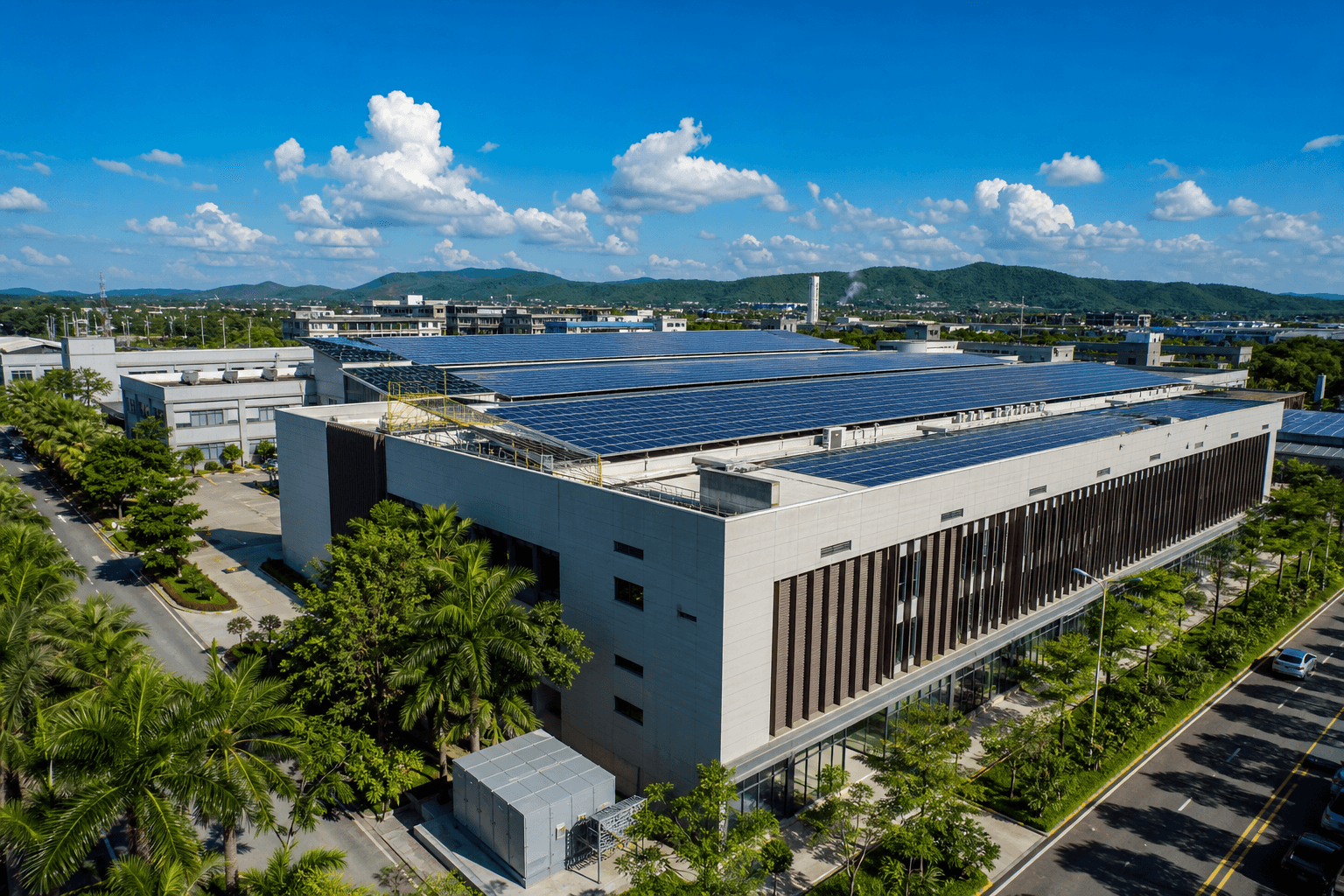
Solar is good, but it has limits
Solar output is highest around midday and lower in the morning, evening or cloudy weather. A factory may not need the most electricity when solar output is highest — it may need more during start-up, machine cycles, late shifts or high-demand operations. Without BESS, solar energy must be used immediately.
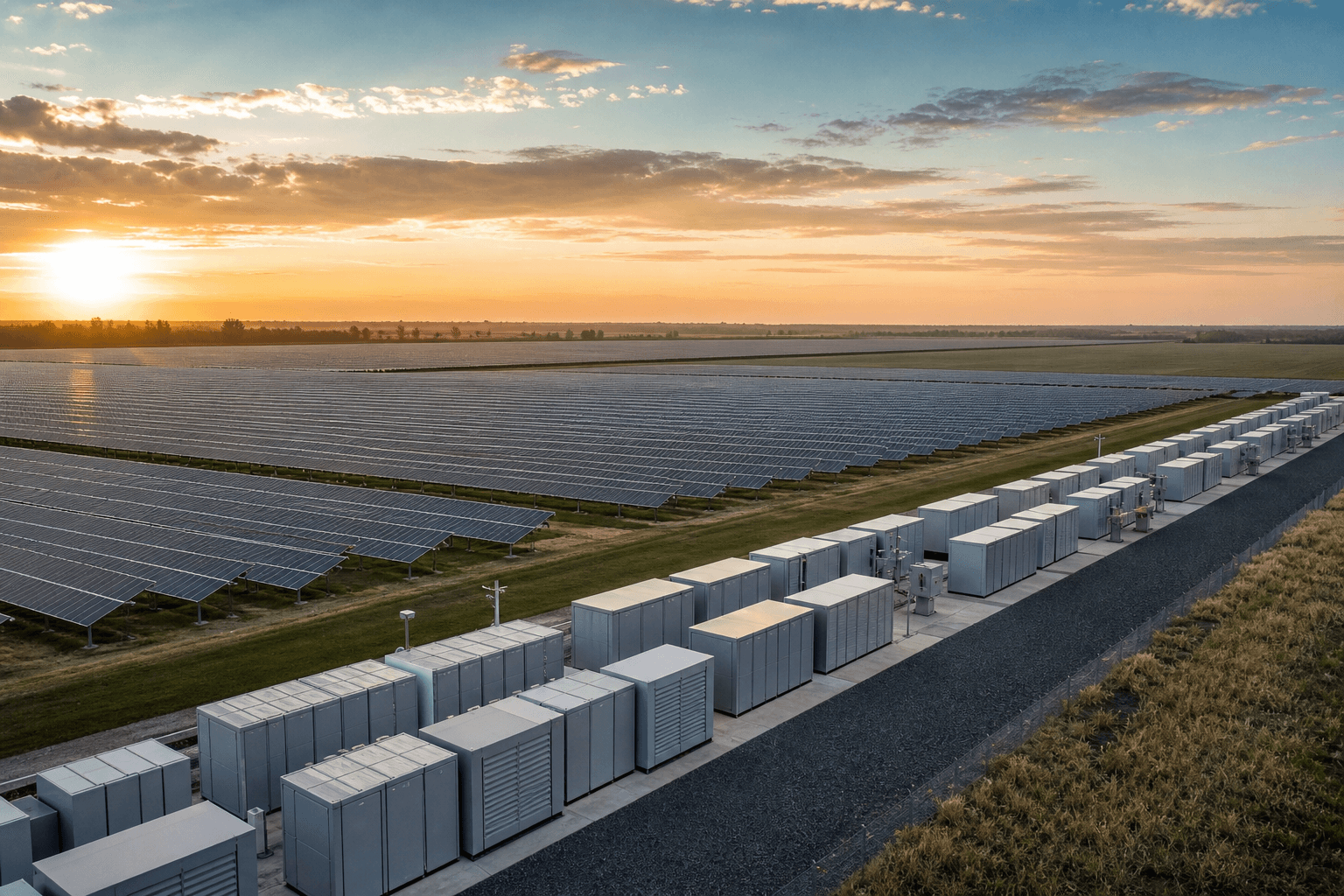
Factories often have demand spikes
Factory equipment creates sudden increases in demand. When several systems run together, grid demand spikes — and solar may not reduce these peaks if they occur when solar output is low. Common contributors:
- Motors and compressors
- Chillers and pumps
- CNC and injection-moulding machines
- Production lines
- Furnaces and industrial ovens
- Refrigeration systems
Solar reduces kWh, but BESS manages kW
Solar reduces energy consumption from the grid (kWh); BESS helps manage power demand (kW). A factory bill may include both energy charges and maximum demand charges — solar helps reduce energy charges while BESS helps reduce demand charges. That is why solar alone may not be enough if maximum demand is high.
Excess solar and evening operations
Some factories generate more solar than they can use during lunch breaks, low-production periods or weekends; BESS stores the excess for later, improving self-consumption. Factories operating into the evening may still need significant power after solar drops — stored daytime solar gives them more flexibility.
Solar alone may not support expansion
Adding a new production line, equipment or cooling increases demand. If grid supply is limited, the factory may need a costly upgrade. BESS can support expansion by providing additional power during peaks — improving flexibility and reducing pressure on the existing supply while a longer-term upgrade is planned.
Frequently Asked Questions
Solar can reduce bills, but it may not fully manage demand spikes, evening loads or maximum demand charges.
BESS stores excess solar energy and discharges during peak demand periods to improve savings and flexibility.
Yes. BESS can discharge during demand peaks to reduce power drawn from the grid.
Yes, subject to technical assessment, BESS can often be added to an existing solar PV system.
Related reading
Keep exploring — more from the Solunar Knowledge Centre:
Have a Solar + BESS project to discuss?
Solunar supports EPCC companies, developers and asset owners with technology, integration and O&M.