BESS for Shopping Malls and Commercial Buildings
Shopping malls and commercial buildings consume large amounts of electricity from air-conditioning, lighting, escalators, lifts and tenants — and BESS helps reduce energy cost, manage maximum demand and improve efficiency.
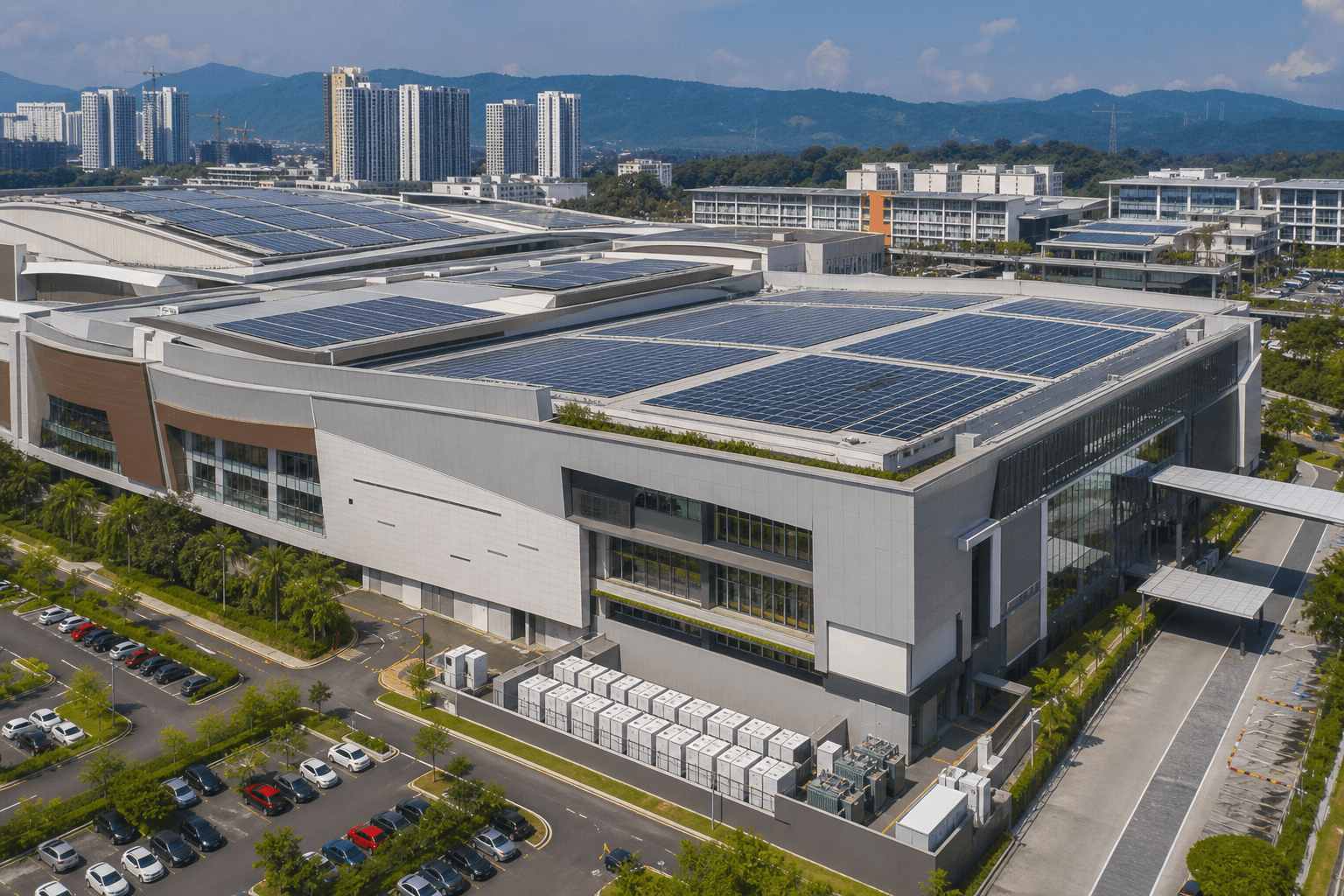
Why commercial buildings have high energy costs
Instead of heavy production machinery, commercial buildings have high loads from:
- Central air-conditioning and chillers
- Lighting
- Escalators and lifts
- Tenant operations
- Ventilation and water pumps
- Parking systems and EV chargers
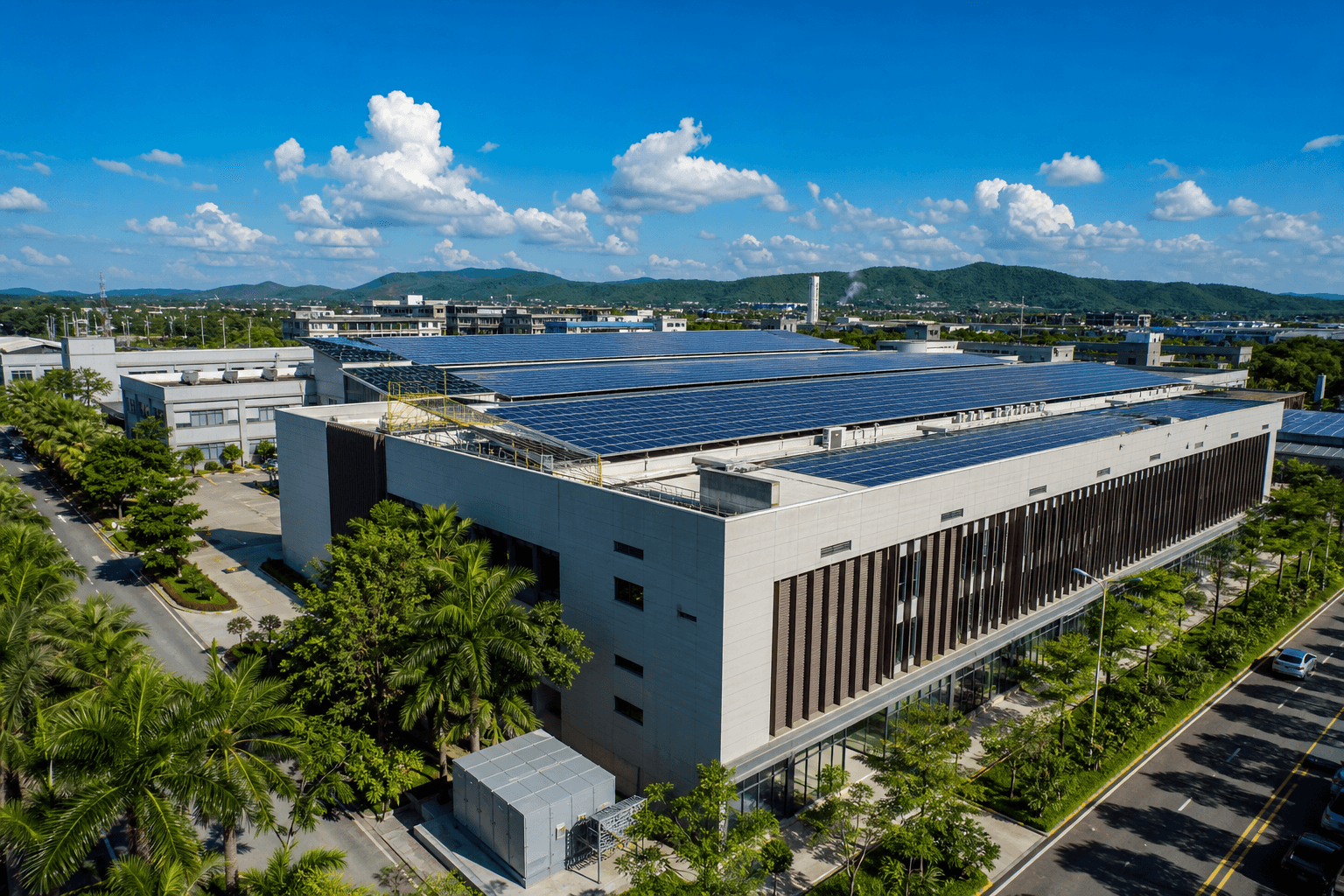
How BESS helps malls and towers
Malls have predictable demand patterns — rising when the mall opens and peaking during high customer hours as cooling, tenants and common facilities run together. BESS discharges during these high-demand periods to reduce grid demand and lower demand charges. For office towers, BESS smooths the working-hours peak from air-conditioning, lifts, lighting and equipment, and supports green-building and net-zero pathways.
Solar + BESS for malls and buildings
Many malls and commercial buildings have large rooftops or car parks for solar, but generation may not match consumption — a mall may use strong electricity in the evening when solar has dropped. BESS stores daytime solar for later use, improving the value of the solar system.
BESS for EV charging
As EV adoption grows, malls and buildings install more chargers, which create new demand and increase peak load. BESS can support EV charging during high-demand periods and reduce the impact on grid capacity — especially relevant for malls, hotels, office towers and mixed-use developments.
Energy efficiency and ESG
BESS supports ESG goals for commercial property owners by helping to:
- Increase renewable energy usage
- Reduce reliance on grid power during peaks
- Improve energy management and data reporting
- Support green-building strategies
- Reduce carbon footprint when paired with solar
- Enhance asset value and tenant appeal
Frequently Asked Questions
Yes. BESS can reduce maximum demand charges and improve solar self-consumption.
Yes. Office buildings with high air-conditioning loads and peak demand can benefit.
Yes. BESS can help manage the additional demand created by EV charging stations.
Yes. BESS can store excess rooftop solar energy and release it when needed.
Related reading
Keep exploring — more from the Solunar Knowledge Centre:
Have a Solar + BESS project to discuss?
Solunar supports EPCC companies, developers and asset owners with technology, integration and O&M.